Advancing scientific knowledge about the South Atlantic and Antarctica to address planetary crises and promote sustainable development.
The FAPESP Program for the South Atlantic and Antarctica (PROASA) aims to contribute to the generation, dissemination and application of knowledge, through scientific, technological and innovation approaches, in two interconnected but still little-known planetary compartments (South Atlantic and Antarctica), and which modulate processes that positively and negatively influence the sustainable development potential of the state of São Paulo, Brazil and the world. PROASA therefore considers initiatives aimed at coastal and marine environments in the South Atlantic, under and beyond national jurisdiction, and for Antarctica, which integrates the Antarctic continent and the Southern Ocean (or Southern Ocean).
Mission
PROASA's mission is to contribute to the advancement of knowledge about the South Atlantic and Antarctica and its application to confront planetary crises and promote sustainable development. Its vision is to expand, diversify and qualify the leading role of the state of São Paulo and, therefore, the country in the scientific and sustainability agenda of the Ocean, with a focus on the South Atlantic, and Antarctica, promoting transformational scientific, technological and innovation approaches to relevant and emerging themes regionally and globally, in order to contribute to the achievement of the Sustainable Development Goals of the United Nations 2030 Agenda and the expected objectives of the United Nations Decade of Ocean Science for Sustainable Development.
Motivation
PROASA is motivated to promote advancement in ocean research, especially in the South Atlantic, and Antarctica, which requires additional efforts to overcome the challenges to promoting sustainable development. Brazil is a geopolitical and scientific leader in these regions and must expand this role through financing and strengthening its leadership in strategic interdisciplinary and transdisciplinary research in partnership with other nations. In addition to the generation of new knowledge, the approach focused on society's demands, which largely dialogues with the promotion of technological advances and innovation, still lacks encouragement.
- Inter and transdisciplinary, integrative and inclusive approach, with emphasis on the rapprochement between natural and human sciences;
- Valuing different knowledge systems, such as scientific and traditional, local and/or indigenous;
- Agile, responsible and replicable approach, contextualized in society's demands;
- Promotion of knowledge co-design and co-production processes, enhancing the integration of knowledge producers and users and strengthening institutional partnerships and dialogues between social actors;
- Overcoming barriers to diversity and equity, including gender, generational and geographic diversity;
- Ensuring that all resulting data and knowledge is shared and accessible.
- Understanding the structure, functioning and importance of the socio-ecological systems of the South Atlantic and Antarctica and their transscalar connections;
- Expanding the observation and modeling system for the South Atlantic and Antarctica;
- Creating a digital representation of the South Atlantic and Antarctica and reducing society's vulnerability to ocean-related risks;
- Understanding and combating marine pollution;
- Protecting and restoring biodiversity and ecosystems in the South Atlantic and Antarctica and developing nature-based solutions to promote ecosystem health;
- Expanding understanding of the nexus between the ocean, Antarctica and climate and developing strategies for mitigating and adapting to climate change;
- Contributing to food security in a sustainable way;
- Developing of a sustainable and equitable ocean economy, fostering transformative technologies for sustainability;
- Understanding humanity's relations with the South Atlantic and Antarctica and identifying strategies to improve them.
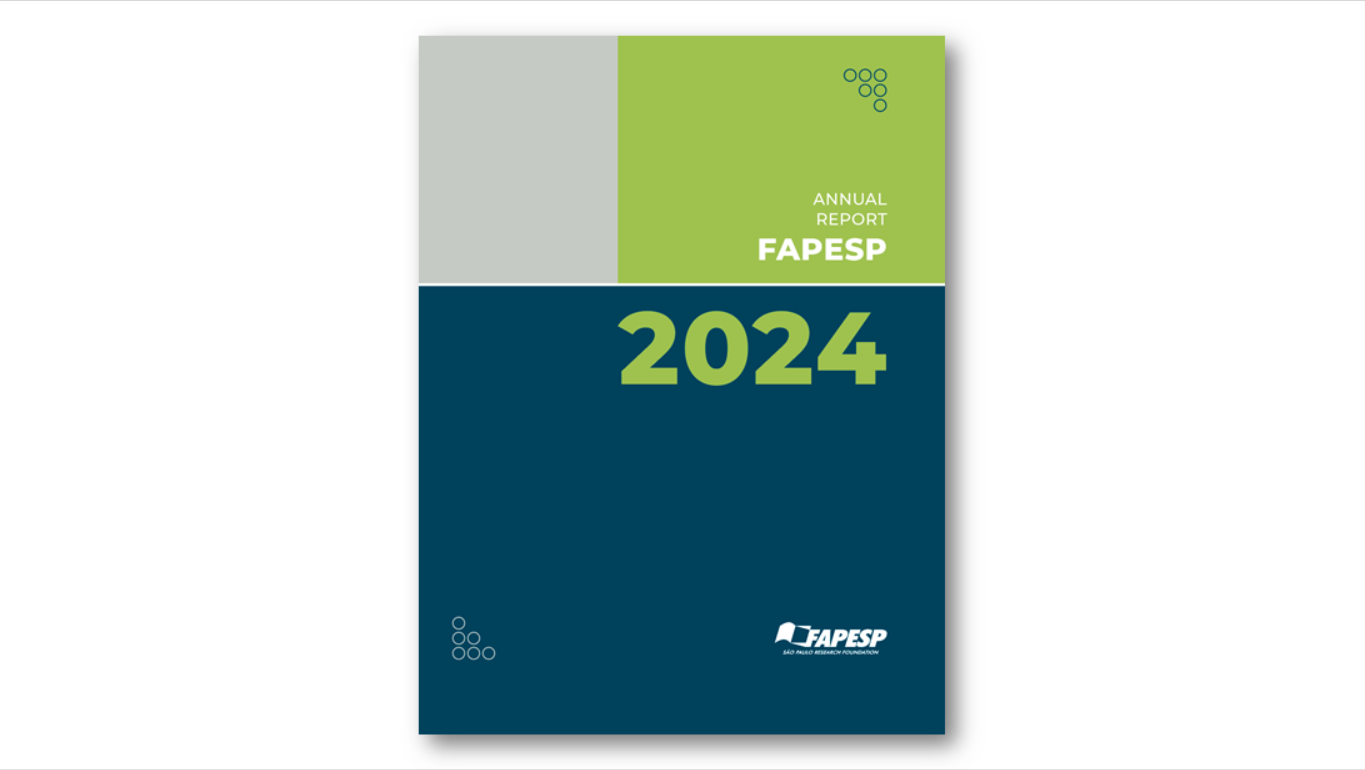
The FAPESP Annual Report records over 27,000 supported projects, an 18% increase over the previous period and a record in the historical series.
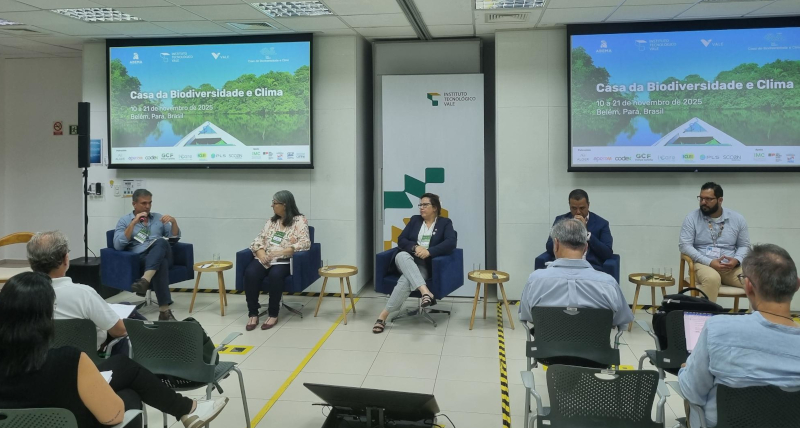
This assessment was made by participants at an event promoted by FAPESP, the Brazilian Association of State Environmental Agencies, and the Vale Technological Institute during COP30.
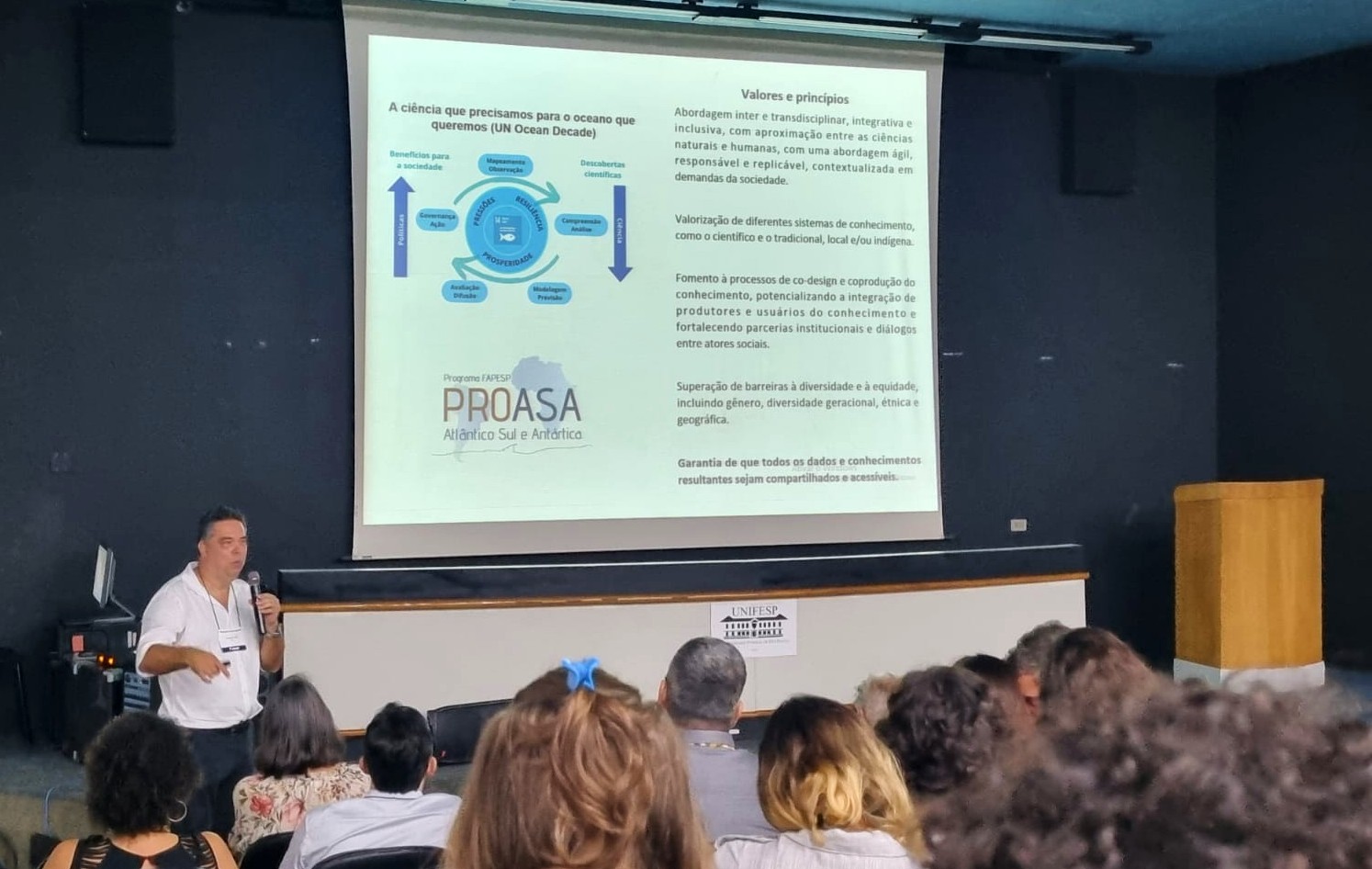
Coordinators of the FAPESP Program for the South Atlantic and Antarctica begin mapping São Paulo’s ocean science at an event in Santos.
Some research grants and scholarships awarded under the PROASA Program. Check the complete list on the FAPESP Virtual Library
Environmental salinity is an important parameter for aquatic organisms and can cause significant biochemical, immunological, morphological and physiological changes. The aim of this study was to evaluate the effect of low salinity on the biochemical, morphological, immunological and omic responses of the Antarctic fish, Notothenia rossii.
FAPESP Virtual Library →Oceanic islands are ecosystems characterised by unique biodiversity and high sensitivity to environmental impacts, and are therefore recognised as priority areas for conservation and monitoring studies. However, the growing anthropogenic pressures (e.g., intensive tourism, pollution by xenobiotics, and the effects of climate change) have increasingly threatened these environments.
FAPESP Virtual Library →The project seeks to organize two transdisciplinary workshops aimed at co-designing a competitive proposal for the Belmont Forum's Ocean 2 Collaborative Research Action. Led by researchers from UNESP-USP-UNICAMP (Brazil) and Universidad de la República (Uruguay), the initiative will unite experts in marine biology, oceanography, and social sciences with societal stakeholders.
FAPESP Virtual Library →During this visit, we will observe some data obtained from pilot experiments on the generation and sinking of fecal pellets by meso-zooplankton during Operantar XLIV, on King George Island in Antarctica, as part of the Silicarbonclim project.
FAPESP Virtual Library →The main goal of this project is to assess the ecological risk associated with the exposure of marine invertebrates to textile microfibers (MFs), considering different fiber compositions and the effect of their residence time in seawater on toxicity. The hypothesis is that synthetic fibers are more toxic than natural fibers, their toxicity may change over time as they persist in the environment, and their toxic effects vary among species.
FAPESP Virtual Library →Antarctica is a strategic region for monitoring global climate change due to its remote location, extreme climate conditions, and low direct human influence. In this context, the study of sedimentary organic matter (OM) is essential for understanding environmental oscillations over different temporal scales.
FAPESP Virtual Library →Which and how many species of Ophiuroidea occur in remote areas of the South Atlantic and Antarctica? Are there species shared between these two ecosystems? Answering these questions will enhance our understanding of marine biodiversity through the study of a widely distributed group in the benthos, the Ophiuroidea.
FAPESP Virtual Library →This project aims to investigate the bioelectrochemical potential of marine biofouling communities developed on different electrically conductive substrates for renewable energy generation to power autonomous electronic systems for maritime signaling and monitoring in remote areas.
FAPESP Virtual Library →ℹ️ Full details of all supported projects are available in the FAPESP Virtual Library.